 Sign up for our free monthly news and story alerts |
BEST OF THE DECADE AWARDS 2010-2019 Best Of The Decade Awards - our tally of Asian excellenceWith travel becalmed by Covid-19 we tabulated our reader poll results for the past 10 years to determine the Best Of The Decade. Asia's top brands. WINNERS' ALBUM.   
JUMP TO Best Airlines | Best Airports | Best Destinations | Best Luxury Hotels, Best Hotel Brand, Best Middle East Hotel | Best Boutique Hotels | Best Family Hotels, Best Value Hotel | Best Business Hotels | Best Conference Hotels | Best Spa & Leisure Hotels | Best Wedding Hotels | Best New Hotels and Makeovers | Best Heritage Hotels, Design | Best China Hotels | Special Commendations THE SmartTravelAsia.com BEST IN TRAVEL POLL is a market research exercise that has run uninterrupted since 2005. It is an independent, free, and fair reader poll without arm-twisting nomination fees and gala dinners - useful benchmarks not razzmatazz as travellers look at where to head next as Covid restrictions slowly ease and vaccines loom. See our Winners' Album. With travel becalmed by the Covid-19 pandemic it would have been foolish as well as pointless to claim to hold a travel vote (on the basis of we know not what). Our editors decided to opt instead for a BEST OF THE DECADE Award based on total accumulated scores and rank tabulations 2010-2019 for airlines, airports, hotels and destinations. To this we added weighted scores for reader comments over the years, letters, our journalists' views and focus group input. This has enabled us to both cut down on the number of awardees to extract the best over time and to simplify proceedings from our traditional TOP 25 per category. This has also enabled us to extract a broader range of excellence not only defined by previous limited categories. This tabulation sees the addition of categories for romance, adventure, room views, new hotels, top hotel design, and also lists a few products to watch in a commendation list. Send us your Feedback / Letter to the Editor / See our Winners' Album.
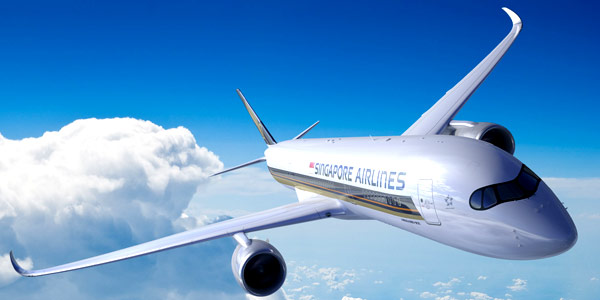
BEST AIRLINES Best Airline WorldwideSingapore Airlines emerged as the No.1 Airline Worldwide overall with the highest combined score and most consistent rank, having bagged a No.1 spot in several years over the past decade, more recently chased but not eclipsed by Emirates and Qatar. SIA was rated highly by travellers for its all round performance, comfort, innovation and service. Best Airline Worldwide Emirates has been a steady climber especially for its excellent business class product over the decade, while Bangkok Airways has held its ground regionally, providing top quality service and access to a range of heritage destinations in IndoChina and less-touched spots like the Maldives. AirAsia continued with its almost uninterrupted processional winning streak as the Best Budget Airline in Asia, losing it's No.1 position just once in 2017 (to Jetstar Asia and Indigo) following engine glitches in Australia.
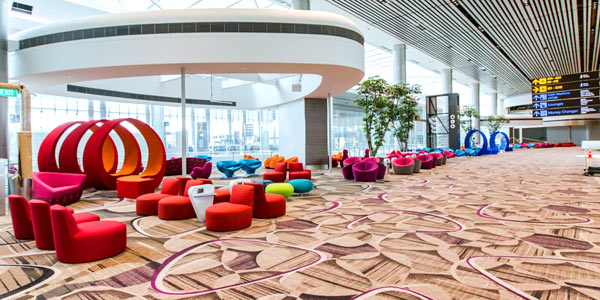
BEST AIRPORTS Best Airport WorldwideIt comes as little surprise that Singapore Changi Airport (now with four terminals in operation and more in the pipeline) weighed in as the No.1 Airport Worldwide with the highest combined score among global airports and most consistent No.1 rank over several years. Expanded services at new and renovated terminals - family friendly facilities, spas, kiddy zones, shopping, and some of that undeniable 'Wow' factor as in the new showcase 'Jewel' with its canopy walk, eye-popping nature, acres of retail and eats - were cited by travellers to keep this airport a cut well above the rest. Best Airport Worldwide Airports often come in for a hammering from tired and cranky passengers who blame them for flight delays and all resultant problems yet these three sailed away with minimum damage and flying colours. Displaying the range of passenger experience now on offer - as well as changing expectations - we expanded this section to reflect new ground realities to spotlight Hong Kong International Airport, frequently cited as a hugely efficient airport by both long-haul and short-haul passengers despite being tethered to frequently delayed China flights. Also much in the limelight is Incheon International Airport (Seoul) whose duty-free range is considered exotic enough for a solo visit by many. Snail gel facemasks anyone?
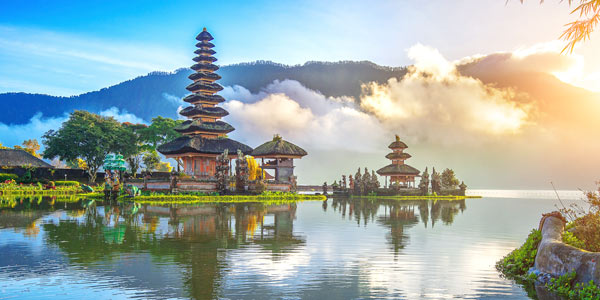
BEST DESTINATIONS IN ASIA FOR FUN AND MEETS Best Asian DestinationsBali easily beat the competition as the Best Holiday Destination overall, ranked No.1 several times over the past 10 years. The island was cited for its innocence, nature, cultural draws and scenic beauty. Hong Kong ran away as the Best City for Meetings with a solid performance dented only modestly in 2019 when Singapore moved up a notch. The city is cited for its ease of transportation, general efficiency and excellent facilities as well as sights, sounds and food. Shanghai weighs in on our list as the Fastest Trending Meetings City. It has been a steady climber and hugely popular both with its domestic market as well as international meeting planners. Best Holiday Destination Asia's Most Exciting City by far is Bangkok for a range of spicy high-adrenalin experience literally elevated by the SkyTrain (if not its irksome taxis) and some soaring new rooftop bars. Sun dappled Maldives awash with white sand, azure waters, unruffled privacy and some stunning resorts was a cinch for the Most Romantic Escape in Asia while Palawan with its limestone karsts, diverse diving, laid back vibes and jungles provided much grist for it's mill as the Best Adventure Destination. Completing the ranks of the heavily contested destination leader board are Rajasthan with its palaces, desert and camels (Best Heritage Destination); charming Macau, which surprises and delights all visitors, punching above its class with heritage walks (sprinkled with egg tarts) and rich architecture redolent of history and a bygone era (Best Heritage City); and Seoul, which astounds all comers and sets pulses racing with its eye-popping array of cosmetics, fashion, and designer bric-a-brac (Best Shopping Destination). Seoul leapfrogged Hong Kong, Singapore, and Bangkok (our traditional shopping winners) for its sheer local flair and inventiveness. The city had the strong support of women readers.
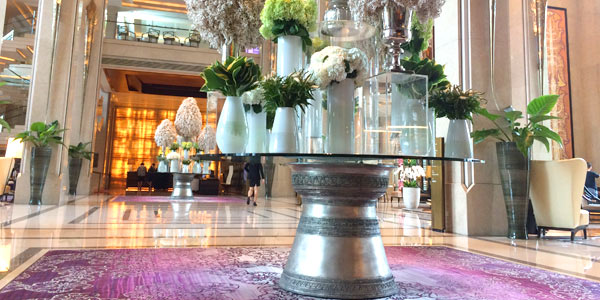
BEST HOTEL BRAND/ BEST ASIAN LUXURY HOTELS / MIDDLE EAST Best Hotel Brand, Luxury HotelsThe Hyatt hotel brand came away as a clear winner as the top brand (worldwide) with a high level of trust and confidence in service standards for both business travellers as well as leisure trippers, just beating Four Seasons and Ritz-Carlton. The Siam Kempinski Hotel Bangkok with its palatial hushed cream marble lobby, outstanding service and resort feel right next to shopping and the SkyTrain, waltzed off as the Best Luxury Hotel in Asia. In a close No.2 spot was Mandapa, a Ritz-Carlton Reserve, Ubud, Bali, with its lush valley views, rice fields and excellent room and villa design. It has been a consistent high scorer on our reader polls. Weighing in at No.3 is another reader favourite, the Four Seasons Resort, The Nam Hai, Hoi An originally launched as a Chedi by GHM. Expect swathes of unruffled beach and a great spa. The clean contemporary lines of Cheval Blanc Randheli, Maldives (along with the fabulous gin-clear waters, dives and views) earned it the No.4 position while the newer BVLGARI Hotel Shanghai (opened June 2018) raced up to No.5. When the Bulgari Bali first launched the convention was to lower case the words save when using capitals for BVLGARI (pronounced the same). That V is back to stay so get used to it. Best Hotel Brand (Worldwide) Best Luxury Hotels (Asia) Best Hotel Middle East While the Middle East from Dubai to Abu Dhabi and Doha is awash in luxury and eye-popping displays of marbled extravagance, one hotel emerged as a consistent winner and high ranker over the years with families and business travellers alike, and for this reason, The Chedi Muscat is our pick as the Best Hotel in the Middle East. Sometimes smaller is better and understated service wins out over ostentation.
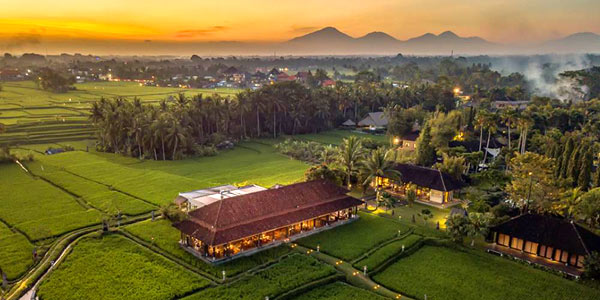
BEST BOUTIQUE HOTELS Best Asian Boutique HotelsSeemingly floating atop serene rice fields in Ubud, the Tanah Gajah, a resort by Hadiprana (the owning family) has been a consistent No.1 Boutique Hotel (Overall) for years, beginning its ascent as The Chedi Club Ubud launched by Singapore-based GHM hotels. This was formerly the family estate of renowned late Indonesian architect Hendra Hadiprana, and it sprawls in deliciously convivial fashion, not following any regimented lines. Expect whimsical Ganesha statues of the Hindu elephant-headed god and a fabulous pool amidst the green. Following it in the No.2 position is 137 Pillars House Chiang Mai - housed in a 19th Century teakwood building - that has just come through a major refit with porcelain tile floor verandahs, green views, rattan rocking chairs, and sumptuous four-poster beds that retain a classic feel with chic contemporary trimmings. There are just 30 suites so privacy is assured. The No.3-placed Diaoyutai Boutique Hotel Chengdu has been a strong reader favourite since its launch in an historic old quarter of the city. The hotel is constructed within an old hutong-style development with flashes of colour and tradition but with a modern finish. The fabled multi-course meals are renowned and stand in at state banquets. The Best Boutique Hotel (Beach) was scooped up by Amorita Resort in Bohol (just across from Cebu in the Philippines). The resort has a new villa line and offers a lovely pool with fabulous sea views in all directions. Expect style and service. Ranked No.2 in the beach catgory for boutique hotels, the Aleenta Phuket Resort & Spa (in Phang Nga) is a classy and very intimate resort with beachfront villas and suites stretching to a generous 80sq m. Placing a high No.3 in the beach category is the Six Senses Con Dao (Vietnam), which is set on a separate little island, with charmingly secluded woody villas, some with pools. Expect total privacy and stunning design touches with service to match and also much to do for kids not to mention spotting bamboo sharks, manta rays and turtles. Best Boutique Hotels (Overall) Best Boutique Hotels (Beach) Best Boutique Hotels (City) When Indigo Bangkok first opened on Wireless Road it caused an immediate flutter with its timber and whimsy, knick-knacks and stylish rooms, many with small balconies. With fabulous green views and brisk youthful service, it ranks as the Best Boutique Hotel (City) over the past decade and has often featured in our leisure hotels lists. Weighing in at No.2 for city boutiques is the delightful dark and woody Hotel Proverbs Taipei that has set new benchmarks for style and service. Think mounted deer heads, antlers, moss, and wood. Another classic piece of Taipei whimsy is Humble House, which places No.3 and with good reason. It is a delightful contemporary setting with plenty of natural light, stunning art and photographs and a roof garden with alfresco pool.
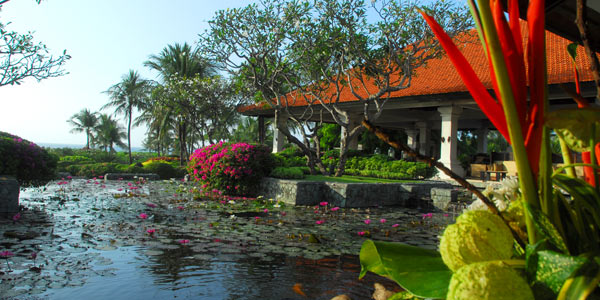
BEST FAMILY HOTELS Best Asian Family HotelsThe sprawling Grand Hyatt Bali with its fragrant frangipani blossoms, kids' pools and play areas, and more swimming pools than you could shake a stick at, effortlessly bagged the No.1 rank as the Best Asian Family Hotel of the past decade. It had close competition in the form of the huge and well-equipped and perhaps more accessible JW Marriott Phuket Resort & Spa (No.2) and the friendly and breezy InterContinental Bali Resort (No.3) but, despite an ageing room product, the hotel stayed more than a nose ahead. Its simplicity of design, access to nature and views, and impeccable service and great food were cited as factors for its very consistent popular vote. In many ways, this go-to hotel (weddings, spa retreats and conferences too) has come to represent the original classic fun megaresort brand imported from Hawaii. Another classic, Shangri-la’s Rasa Sayang Resort & Spa, Penang, held a strong fourth place on fabled Batu Ferringhi Beach with expansive greens, lots for kids and a great spa to boot. And closing out the top five was Centara Grand Beach Resort & Villas, Hua Hin, a stunning colonial confection hugely favoured for not just families but romantic getaways and weddings too. Its elegant topiary creations are an added Instagram attraction.. Best Family Hotels (Asia, Overall) Best Family Hotels (Asia, City) Best Value Hotel Far and away one of the Best Family Hotels (City) and a leading staycations luminary, and bagging the No.1 spot, is The Dharmawangsa Jakarta. This is a classic laid back grand hotel with art deco flourishes, large rooms, great outdoor pools, an excellent spa, and flowering gardens all helping to bring your blood pressure speedily down. In at No.2 for city Family Hotels is the beautifully reconstituted Shangri-La Hotel Singapore followed by the always bustling Solaire Resort & Casino, Manila, another staycation favourite. Despite being a casino hotel, Solaire has reached out successfully to families and built a reputation in other categories too over the years. Meanwhile, ranked the Best Value Hotel in Asia is the cheerful Courtyard by Marriott Bangkok. It was a pioneer in the small personalised no-frills market and continues to maintain quality standards.
BEST BUSINESS HOTELS Best Asian Business HotelsWith fierce competition for the top slot in the Best Asian Business Hotels category, we decided to split this award into two - Classical style, and Contemporary - to better reflect traveller preferences and hotel experience. A consistent No.1 in the Classic category over the past decade is the black marble and wood Mandarin Oriental Hong Kong, the original grande dame that went through a huge makeover almost 10 years back to return with a celebratory fiftieth bash featuring Dame Helen Mirren in October 2013. The hotel retains all its traditional appeal including a barbershop though the shoeshine bloke has gone. In at No.2 is the brisk and polished Island Shangri-La, Hong Kong, hugely popular as a meeting place and with business travellers for its exceptional service and convenience of location atop a mall and the MTR. Yes the rooms are old but it is a brand to reckon with. The darkly elegant Regent Taipei weighs in at No.3 and is another favourite with our frequent travellers (not just the Japanese) and the last two in the TOP 5 are the beautifully reworked Park Hyatt Sydney at No.4 and the stylish Anantara Siam Bangkok Hotel (that replaced the Four Seasons and continues with a fine afternoon tea) at No.5. Best Business Hotels (Classic) Best Business Hotels (Contemporary) In the Best Business Hotels (Contemporary) category we have had a consistent winner over a few years. This is the hushed black and sleek The St Regis Bangkok with a convenient link to a neighbouring SkyTrain and some of the most crackling service, food, and drinks that Bangkok can serve up. Beds with 300 thread count linen certainly help. The Four Seasons Hotel Hong Kong with great harbour views and service on rails is in at No.2 followed by The Peninsula Shanghai (a dreamy modern yet classic hotel just off the Bund) at No.3, Swire's The Upper House Hong Kong, clean-line and minimalist at No.4, and the very elegant and artistic Waldorf Astoria Beijing kitted out in a gold picture frame that could easily be over the top but fits right in, at No.5.
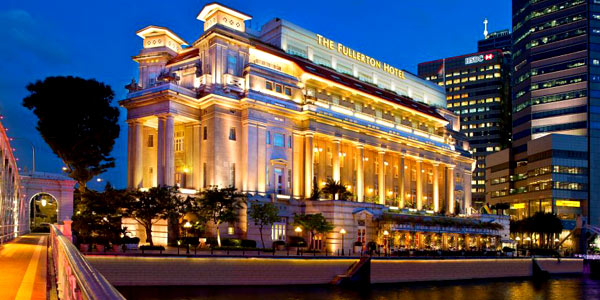
BEST CONFERENCE HOTELS Best Asian Conference HotelsThe Fullerton Hotel Singapore with his dramatic Doric columns has a proud history stretching back to 1928. Gazetted as Singapore's 71st National Monument in 2015, this award-winning heritage hotel and former GPO is a class act for conferences ranked No.1 by our readers several years in a row. No surprise then it is a clear No.1 as Asia's Best Conference Hotel over the past decade. With grand renovations complete and a spiffy 'new' ballroom and Baroque black marble lobby in place, the Grand Hyatt Hong Kong ranks No.2 with the versatile, modern, and efficient Four Seasons Hotel Hong Kong in No.3. Holding the No.4 spot is The St Regis Singapore, gussied up in cream marble with elaborate inlay work and lavish rooms, and the hugely popular and well sited InterContinental Bangkok weighs in at No.5. Best Conference Hotels The rest of the big hitters for conferences, MICE and events over the past decade are the renovated Shangri-La Hotel Singapore at No.6, the rebranded, bright, and airy The Athenee Hotel, a Luxury Collection Hotel, Bangkok - quite a mouthful - at No.7, The Ritz-Carlton Millenia Singapore at No.8, the sprawling and stately Grand Hyatt Erawan Bangkok at No.9 and the architectural wonder the Sunrise Kempinski Hotel, Beijing, on Yanqi Lake, at No.10.
BEST SPA HOTELS Best Asian Spa, Leisure HotelsRunning away with the the No.1 spot as the Best Asian Spa Hotel over the past decade is the sprawling all-villa Banyan Tree Phuket. With a dedicated Spa Sanctuary and ease of access with a huge number of international flights into Phuket, the hotel pulled ahead, also popular with families and golfers. Just a shade behind (largely due to the Ayung Volcano rumblings) in No.2 is the remarkable Ayana Resort and Spa Bali (one of the first with huge hydro-pools and a vast pampering complex) followed by the excellent and indulgent Conrad Maldives Rangali Island in No.3. The Conrad boasts pristine waters for snorkellers and divers as well as one of the world's first all-glass undersea restaurants (Ithaa) and a luxury private residence, The Muraka. The overwater spa features glass-floor treatment rooms to ogle at passing marine life. At No.4 is the darkly statuesque BVLGARI Resort Bali (that has graduated its name to all capitals) with a dedicated BVLGARI Spa set on a promontory with breezy ocean views. Weighing in at No.5 with the resort big boys is a very unusual candidate, The PuLi Hotel and Spa, Shanghai, an engaging and sensory dark teakwood confection combining contemporary chic with traditional flourishes and delicate bamboo fronds. Best Spa Hotels Best Leisure Hotels Winning the decade's Best Leisure Hotel in Asia award hands down is the extraordinary all-rounder Mandapa, a Ritz-Carlton Reserve, Ubud, Bali with an effortless No.1, a position it has held pretty much since its launch a few years back. It is popular too with readers for small weddings (by its very own rice field or by the riverside) and honeymoons, and is regarded as one of the world's most stylish escapes, now with fun for kids as well. The stunning woody and very Thai Amanpuri Phuket perched in a coconut grove above its own private beach next to Surin has been a trend-setter since opening in 1988. Our readers rank it No.2. Three fine hotels complete the TOP 5 for Leisure - Four Seasons Resort Bali at Jimbaran Bay at No.3; the re-upholstered Mandarin Oriental Bangkok on the Chaophraya River at No.4; and the elegant and happening The Sanya EDITION at Haitang Bay in No.5.
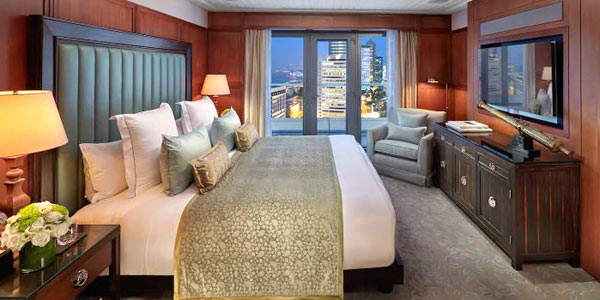
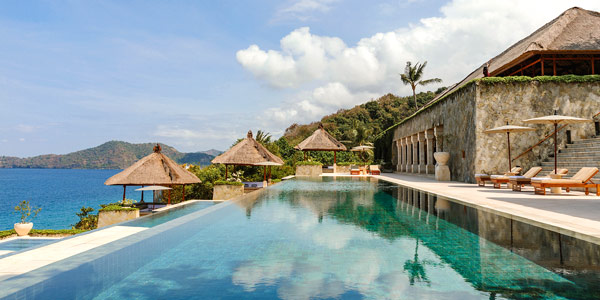
BEST WEDDING HOTELS, ROMANTIC ESCAPES, VIEWS Romantic Escapes, WeddingsIn our new category - Asia's Most Romantic Escapes - there is a plethora of choice but the leader has got to be Amankila, Bali, with its mirror-smooth three-tier stepped pools overlooking the bay and cream limestone walls that offer a chic yet unfussy barefoot retreat. There's a pool in a tropical setting below as well by the salt-and-pepper beach. In at No.2 is Rajasthan's iconic Taj Lake Palace, Udaipur, a stunning white marble floating mirage, followed in No.3 by the virginal white cubist escape of SALA Phuket Mai Khao Beach Resort where a neon pink bikini would do nicely thank you amidst the greystone walkways fringed with tufts of green. The all-villa Indonesian-style escape, The Royal Pita Maha, Ubud, Bali, is No.4 on our all-time romance scale perched above the Ayung River gorge with breezy views, eye-popping green, private pools, and a wedding sala by the river. And a popular early design pathfinder from Vietnam is in at No.5 right on the beach, yes the original China Beach - the Fusion Maia Da Nang. Most Romantic Hotels Best Wedding Hotels Top Rooms with a View The Best Asian Wedding Hotel by a mile is the exquisitely private Alila Villas Uluwatu, Bali (No.1), with its Instagrammable cliff-edge pool followed in No.2 by the InterContinental Danang Sun Peninsula Resort, a wedding specialist with a chic and happening atmosphere; the Ayana Resort and Spa, Bali, with its pools and bars and panoramic sunset views at No.3; a very regal The Oberoi Udaivilas, Udaipur, at No.4; and the secluded all-villa Trisara, Phuket, which cascades demurely down a private hillside, placing at No.5 for really intimate weddings. For our fresh category, Top Rooms With a View, we scoured Asia for the snazziest lookout points that offer style and service and later encountered one spoiling new sea level offering. In descending order these are The Ritz-Carlton Hong Kong in No.1 with sweeping views of Victoria Harbour; crystal-laden The St Regis Shenzhen at No.2 with panoramic sunsets and open city views; one of the first Asian sky piercers, the Grand Hyatt Shanghai at No.3; the stylish sunset-drizzled Waldorf Astoria Maldives Ithaafushi (that arrived mid-2019) at No.4; and the Hyatt Regency Bangkok Sukhumvit with its always bopping rooftop Spectrum Lounge & Bar at No.5.
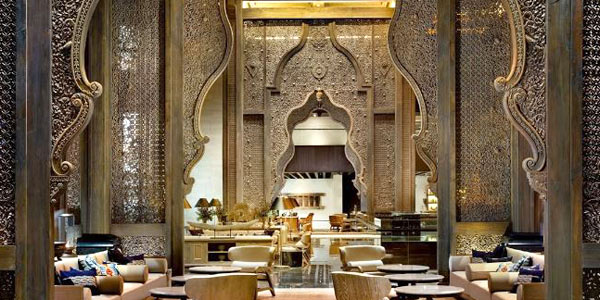
BEST NEW HOTELS IN ASIA Best New Hotels and MakeoversRunning away with the No.1 spot for Asia's Best New Hotel is The Apurva Kempinski Bali with stylish clean-line rooms, most with huge views, some with pools, cascading down a cliffside to a humungous azure pool reaching out to the sea. The intricate lobby lattice-work carvings (above) are a unique draw at this otherwise ruthlessly contemporary hotel. Weighing in at No.2 is the swish and feminine Park Hyatt Bangkok that has grown into this spot after a slow start, followed by The Murray, Hong Kong, a Niccolo Hotel - a unique conversion of an iconic government building - in No.3, the striking and stylish dual personality BVLGARI Hotel Shanghai in No.4 and the elegant all-cream Waldorf Astoria Bangkok in No.5. The rest of the new TOP 10 to thrill and serve discriminating luxury travellers (when they do finally return) include the Rosewood Hong Kong (No.6) overlooking the harbour; tented design gem Capella Ubud Bali (No.7); the grand and stately The Capitol Kempinski Hotel Singapore (No.8); the Waldorf Astoria Maldives Ithaafushi (No.9); and the sprawling contemporary chic Fusion Resort Phu Quoc (No.10). Best New Hotels (2017 - 2019) Best Hotel Makeover (Redo or rebranding) In our Best Hotel Makeover (redo or rebranding) category there was one standout - the elegant and very Thai, The Athenee Hotel, a Luxury Collection Hotel, Bangkok that bagged the No.1 spot. Light-filled and airy the new lobby is modern yet with laundered white colonial cadences and that signature grand staircase and floral burst. In descending order then, were the classic and hugely popular Park Hyatt Saigon (No.2); the reconstituted Raffles Singapore (No.3); the Conrad Bangkok (No.4) sporting an elegant new personality with spiffy lobby, new rooms and a stunning hi-tech ballroom; The Oberoi New Delhi (No.5); the amazingly redone Grand Hyatt Seoul (No.6) - the Robin Hood green of the original lobby replaced 2018 with a crisp contemporary cream decor with huge glass windows fronting the pool and views that go on forever; the astonishing Caravelle Saigon (No.7) that somehow leapfrogged from the dowdy Seventies to Parisian chic with flirtatious new rooms overlooking the Opera House; the Hyatt Regency Bali (No.8) that remains just as playful as ever, now with a glorious spa; the Hilton Bali Resort (No.9) that finally went in for a facelift after several incarnations and now crackles with new promise; and the JW Marriott Hotel Bangkok (No.10) with smart charcoal and wood rooms that will delight business travellers. 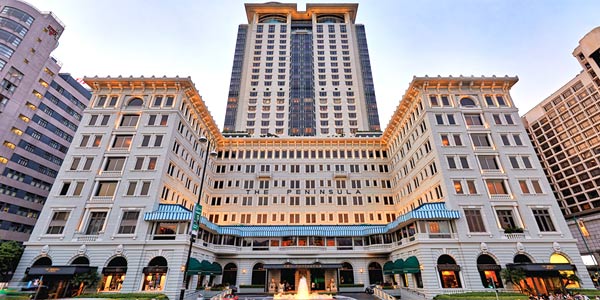
BEST ASIAN HERITAGE HOTELS & DESIGN Best Heritage Hotels and DesignThe Peninsula Hong Kong took No.1 as Asia's Best Heritage Hotel followed closely in No.2 by the laundered white Raffles Singapore (that had closed for two years for a complete top-to-toe makeover). In No.3 is the ever charming and hushed colonial icon, Sofitel Legend Metropole Hanoi, followed by Waldorf Astoria Shanghai on the Bund (No.4) - try out its Bund Heritage Suite, and the regal yet brisk Taj Mahal Palace, Mumbai (No.5). Best Heritage Hotels Best Hotel Design Leading our Hotel Design TOP10 is the tented wonder Capella Ubud Bali in No.1 spot, followed by the delightfully mod French Hôtel des Arts Saigon, MGallery (No.2); the Rosewood Luang Prabang (No.3); Emirati residence rammed-earth style The Chedi Al Bait, Sharjah (No.4); the contemporary minimalist The PuXuan Hotel and Spa, Beijing (No.5); the grand colonial throwback in modern garb, The Fullerton Bay Hotel, Singapore (No.6); the whimsical and woody The Opposite House Beijing (No.7); the playful Philippe Starck acquisition most unlike a Marriott top range product, JW Marriott Hotel Singapore South Beach (No.8); the stunning So Sofitel Singapore (No.9); and the amazing austere cubism of Park Hyatt Sanya Sunny Bay Resort (No.10). 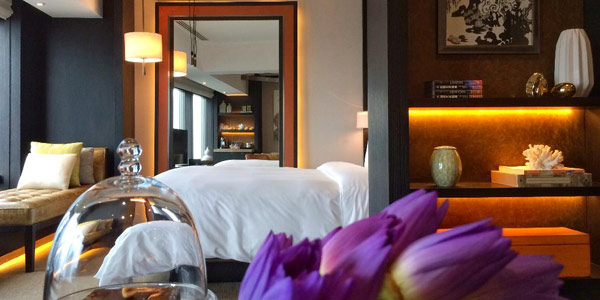
BEST CHINA HOTELS Best Hotels in ChinaThe Rosewood Beijing was head and shoulders above the rest in the country as the Best China Business Hotel (No.1) over the past decade, followed by The Peninsula Shanghai (No.2), a newer but no less impactful arrival; the hushed, dark, and excellent Waldorf Astoria Beijing (No.3), which looks like it's stepped out of an art gallery; Mandarin Oriental Guangzhou (No.4), a treat with its soothingly resorty feel and timber floors downtown; and fast-paced The Ritz-Carlton Shenzhen (No.5) that is back on an upswing. Best China Business Hotel Best China Leisure Hotel Best China Spa Hotel Best China Conference Hotel Our readers' pick as the best China Leisure Hotel of the decade is The Sanya EDITION (No.1); followed by the Four Seasons Hangzhou at West Lake (No.2); the swish Yanqi Hotel, managed by Kempinski (No.3) just outside Beijing with 12 luxe villas scattered around a lake and conference area; The St Regis Sanya Yalong Bay Resort (No.4); and the offbeat and characterful Ahn Luh Zhujiajiao (No.5). In No.1 spot as the Best China Spa Hotel is the refreshing and elegant Angsana Xi’an Lintong, followed by The Ritz-Carlton Sanya (No.2); The PuLi Hotel and Spa, Shanghai (No.3); Banyan Tree Lijiang (No.4); and The Ritz-Carlton Chengdu (No.5), which is an excellent business hotel to boot with fine F&B and terrific decor. And voted the Best China Conference Hotel (and certainly one of the more unusual) is the brisk Sunrise Kempinski Hotel, Beijing, on Yanqi Lake (No.1). 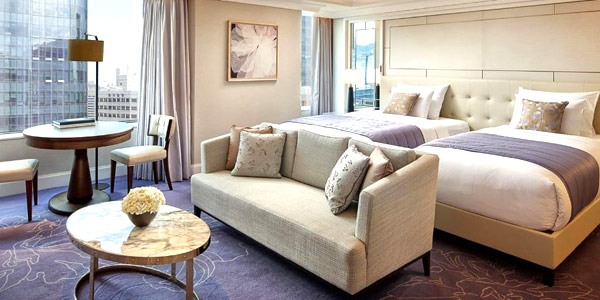
ASIAN HOTELS TO WATCH Special CommendationsReceiving special commendations as properties to watch that are creating a fresh buzz and setting new standards of excellence for service and design are these five. They include the mammoth and happening Lotte Hotel Seoul (No.1) that is huge with business travellers and as a MICE and conference hotel with the sly attraction of duty-free around the corner. In descending order come the high-rise Hyatt Regency Bangkok (No.2) with its rooftop Spectrum bar that attracts the young and restless; the painstakingly restored colonial riverside Azerai La Residence, Hue (No.3) in Vietnam's ancient capital; the lovely hidden island retreat appropriately named the Island Escape by Burasari, Phuket (No.4), which just opened in December 2019; and the statuesque heritage YTL business bolthole, The Majestic Hotel Kuala Lumpur (No.5) that includes the original Hotel Majestic dating back to 1932. The property is now under Marriott's Autograph Collection. Special Commendations (happening hotels to watch with buzz, style, decor and service)
NOTE: Telephone and fax numbers, e-mails, website addresses, rates and other details may change or get dated. Please check with your dealer/agent/service-provider or directly with the parties concerned. SmartTravel Asia accepts no responsibility for any inadvertent inaccuracies in this article. Links to websites are provided for the viewer's convenience. SmartTravel Asia accepts no responsibility for content on linked websites or any viruses or malicious programs that may reside therein. Linked website content is neither vetted nor endorsed by SmartTravelAsia. Please read our Terms & Conditions. |